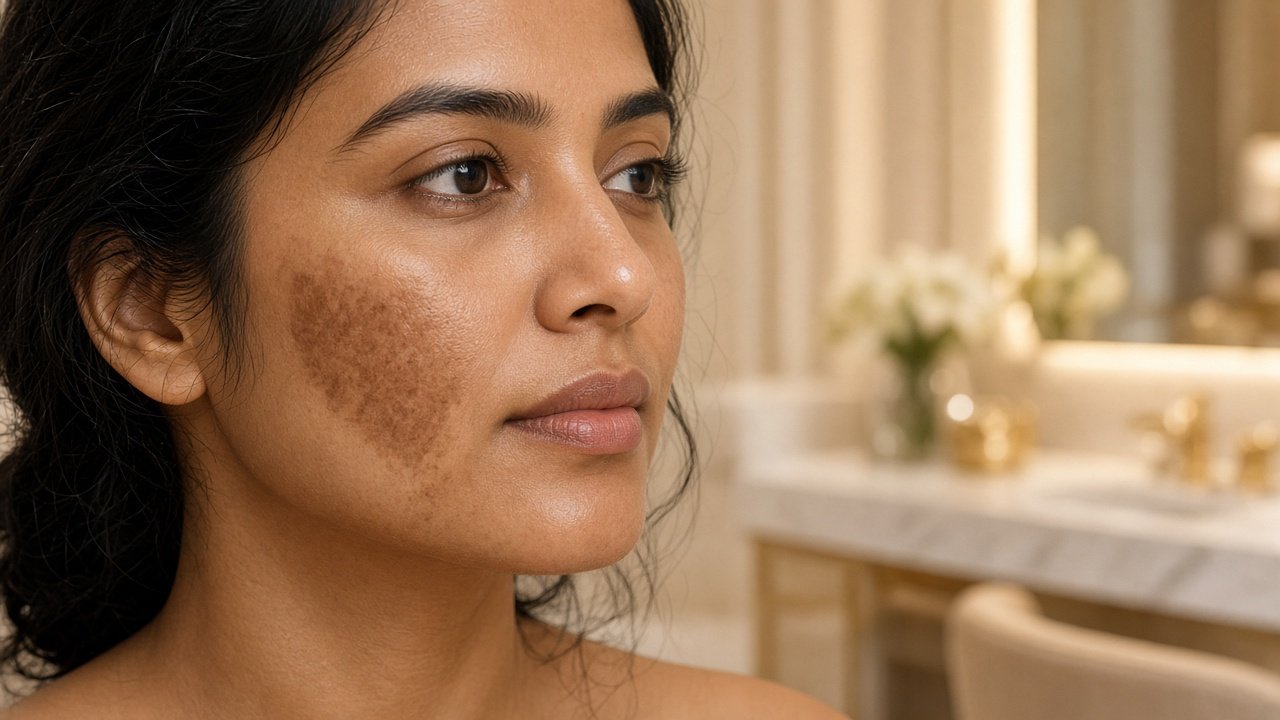
Melasma is one of the most frequently presented pigmentary disorders encountered in clinical dermatology practice, particularly across the Indian subcontinent. Characterized by symmetrical brown to greyish-brown macules and patches predominantly involving the cheeks, forehead, chin, and upper lip, melasma can cause considerable emotional distress.
What Causes Melasma?
Unlike simple solar lentigines (freckles or sun spots), melasma is not merely a surface tanning reaction. It is a chronic, hyperactive condition of melanocytes (pigment-producing cells) driven by a complex interplay of:
- Ultraviolet & Visible Blue Light: Sunlight is the most potent external trigger. UVA and UVB stimulate melanin synthesis, while high-energy visible (HEV) blue light from sunlight and electronic screens also deepens pigmentation in deeper skin phototypes.
- Hormonal Influences: Estrogen and progesterone receptors on melanocytes explain the frequent onset or worsening during pregnancy ("mask of pregnancy" or chloasma), with oral contraceptive pills, or during endocrine fluctuations.
- Vascular Hyperactivity: Recent dermatological histological studies confirm that melasma lesions feature an increased number of enlarged, tortuous dermal micro-vessels. These vessels release inflammatory mediators (such as VEGF) that continuously stimulate overlying pigment cells.
- Compromised Skin Barrier: Chronic friction, harsh facial scrubs, and over-the-counter steroid creams disrupt the stratum corneum, exacerbating underlying cutaneous inflammation.
Why Over-the-Counter "Instant" Bleaching Creams Are Dangerous
A tragic reality in dermatological clinics across Uttar Pradesh is the rampant misuse of triple-combination steroid creams sold over the counter without a prescription. While these creams initially suppress inflammation and give an illusion of rapid whitening, prolonged unsupervised usage inevitably causes:
- Cutaneous atrophy (extreme thinning of the skin)
- Telangiectasia (visible, spider-like facial veins)
- Severe rebound hyperpigmentation and exogenous ochronosis (permanent slate-grey discoloration)
- Steroid-induced rosacea and burning sensitivity
The CliniKimaya+ Clinical Protocol
At CliniKimaya+ in Gilat Bazar, Varanasi, Dr. Sneha Singh implements a multi-pathway, gentle management plan focused on sustainability:
- Comprehensive Photoprotection: Prescribing broad-spectrum physical/mineral sunscreens containing iron oxides, which shield against both ultraviolet rays and visible light.
- Non-Steroidal Pigment Inhibitors: Formulations containing tranexamic acid, azelaic acid, kojic acid, alpha-arbutin, and cysteamine that safely downregulate tyrosinase activity without thinning the skin.
- Superficial Restorative Peels: Controlled, superficial chemical exfoliations that accelerate epidermal pigment turnover without producing post-inflammatory hyperpigmentation.
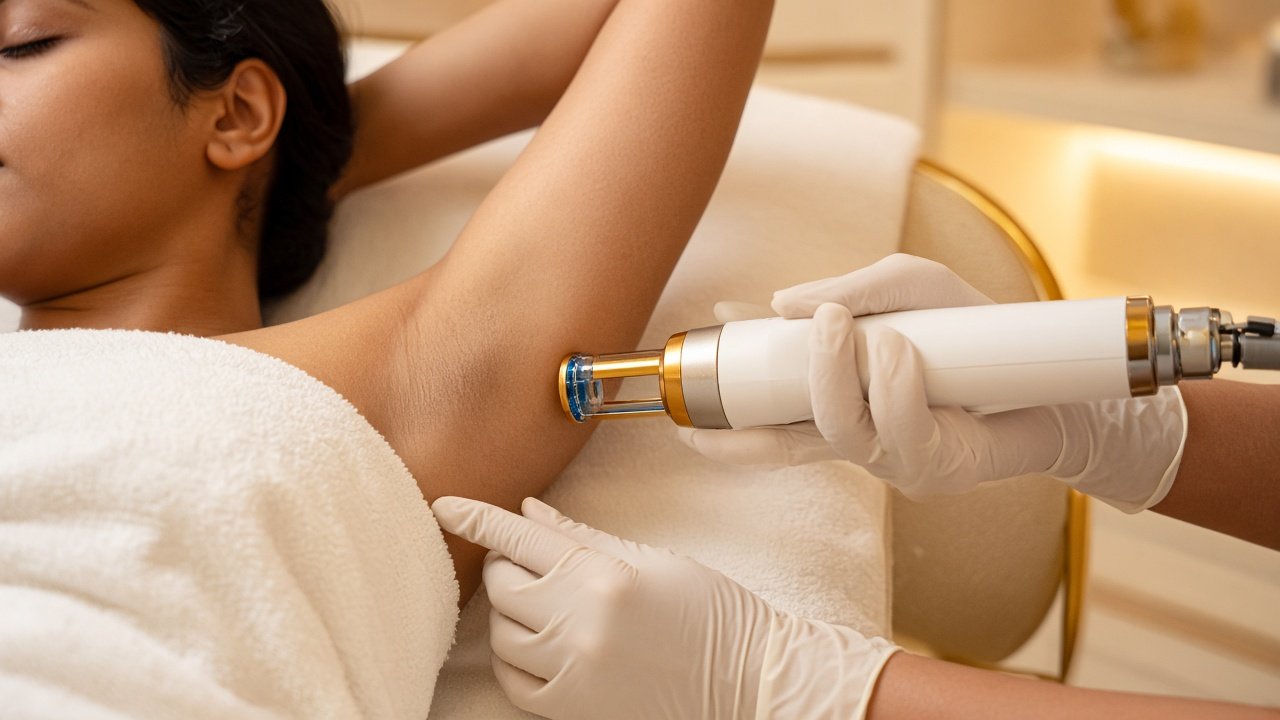
- Low-Fluence Sub-Cellular Laser Toning: Using specialized Q-switched laser fluences to disperse pigment gently without heating or provoking melanocyte hyperactivity.
Medical Disclaimer: Information provided here is educational. Melasma requires in-person diagnostic evaluation to determine whether pigment is epidermal, dermal, or mixed.